





Why don’t BMX bikes have suspension? Because BMX is all about control, pop and bike feel, not riding on a couch 😄
This question comes up all the time, especially from people seeing a BMX bike for the first time or switching over from MTB.
“Wait… no suspension?”
“Doesn’t that destroy your wrists?”
“That has to be uncomfortable.”
But BMX works completely differently from a mountain bike. BMX isn’t built for comfortably rolling over roots and rocks. It’s built for control, instant response and precise bike feel during tricks.
Suspension would kill pop and control
Every rider doing bunny hops, manuals or skatepark lines knows one thing, the bike has to react instantly.
In BMX, pop is everything. When you pull up for a bunny hop or jump onto a ledge, you want all your energy to transfer directly into movement.
Suspension would do the opposite:
- compress during takeoff,
- absorb part of the energy,
- slow down the bike’s response,
- change the feel of landings.
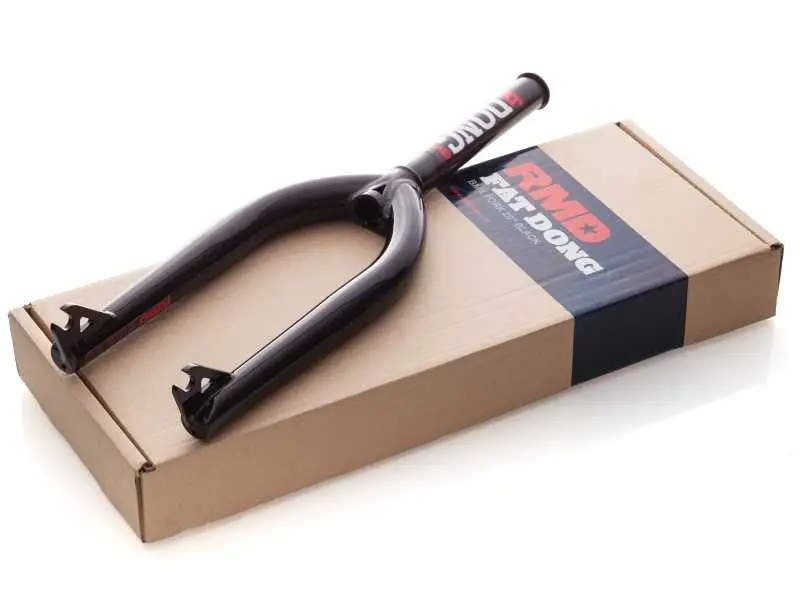
That’s why modern freestyle BMX bikes use rigid forks. It’s not about cutting costs, it’s a deliberate design choice.
In BMX, riding technique replaces part of the suspension
This is one of the biggest things people outside BMX often don’t notice.
On an MTB, the suspension does a huge part of the work. In BMX, the rider becomes part of the suspension 😄
During landings, drops and hops, the rider absorbs impact using:
- legs,
- arms,
- body balance,
- proper takeoff and landing technique.
An experienced rider can land smoothly even on a completely rigid bike. Your body works like natural suspension.
That’s why BMX riders prefer a stiff, predictable bike over soft suspension that takes away control and pop during tricks.
BMX bikes are built to stay simple and tough
In BMX, fewer things to break is always better 😄
Riders send stair sets, ledges, gaps, drops and rough landings every session. Suspension would have a very hard life on a BMX bike.
That’s why BMX bikes keep things simple:
- rigid fork,
- stiff frame,
- fewer unnecessary parts,
- better durability for hard riding.
But BMX bikes are harsh
Yep 😄 And that’s the point.
The rider needs to feel connected to the bike. In skateparks, street riding and pumptracks, predictable bike response matters way more than comfort.
A lot of vibrations are already absorbed by:
- wide BMX tires,
- proper tire pressure,
- the rider’s arms and legs.
After a few sessions, most riders stop thinking about suspension completely.
MTB and BMX are two completely different worlds
Mountain bikes were designed for rocks, roots, rough trails and uneven terrain. Suspension makes perfect sense there because it improves traction and comfort.
Freestyle BMX was built mainly for:
- street riding,
- skateparks,
- pumptracks,
- tricks,
- jumps and technical riding.
In that kind of riding, suspension usually gets in the way more than it helps.
Do suspension BMX bikes exist?
There have been experiments and older designs over the years, but freestyle BMX has stayed with rigid forks for a reason.
Riders prefer:
- lower weight,
- better control,
- stronger pop,
- simpler construction,
- more predictable bike feel.
No suspension in BMX isn’t a disadvantage
A BMX bike without suspension isn’t outdated or less advanced. It’s simply designed for a completely different riding style.
A rigid BMX gives riders exactly what they need for tricks, responsive handling, strong pop, a simple setup and precise bike feel.
Check out freestyle BMX bikes available at RMDBike and build your perfect setup for street, skatepark and your first proper bunny hops 🔥


