


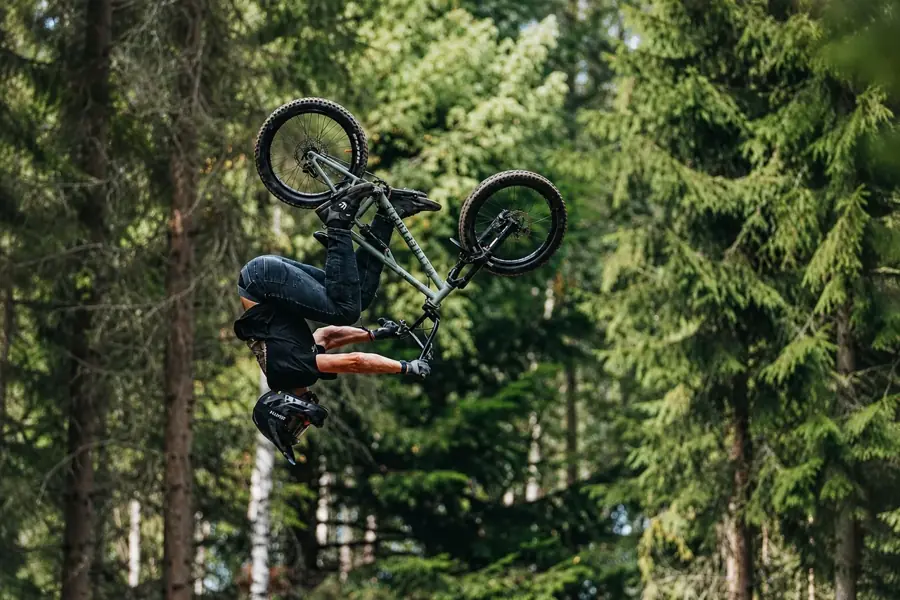
Want to ride mountain trails, spend more time at bike parks and feel more confident on jumps? When you start looking for a bike, two names soon come up: enduro and freeride. There is some overlap between them, so the category alone will not tell you which bike suits you best.
Start with what a day on your bike looks like. Do you head out on longer rides with climbs? Mostly use an uplift? Prefer technical descents or sessioning your favourite jump line? Your answers will help narrow down the choice.
Enduro: climbing and demanding descents
In enduro racing, the result comes from the combined time of the special stages, which run mainly downhill. Riders travel between them on untimed liaison stages. Depending on the event rules, those transfers may also include an uplift or other transport.
Enduro also describes bikes and riding that combine demanding descents with the ability to climb. You do not need to race to make use of an enduro bike.
Enduro bikes are designed for steep, rocky and rooty trails, while still letting you pedal to the top. A well-chosen model can work for all-day mountain rides, local trails and bike park visits.
That can include jumps, too. Check the intended use and limits set by the manufacturer for the particular bike. The word ‘enduro’ does not mean every model is suitable for every jump or drop.
Freeride: your own lines, jumps and technical descents
Freeride is about choosing your own lines, riding jumps and drops, and finding ways to use the terrain. You might ride purpose-built spots or natural features. Steep, technical descents are part of freeride too; tricks are not a requirement.
When choosing a freeride bike, you will usually put more emphasis on how it handles descents, take-offs, airtime and landings. Geometry, suspension, and the strength of the wheels and components all matter.
That does not mean every freeride bike is difficult to pedal uphill. Designs vary, and some have a wide gear range and a dropper post. Some manufacturers also describe a bike as suitable for both freeride and enduro.
Compare individual bikes rather than relying on the label. Two freeride models can have quite different components and ride very differently. If tricks and playing on smaller features appeal to you, our guide to freeride and jibbing explains how those styles overlap.
Do you need a freeride bike for a bike park?
A bike park visit does not decide the type of bike you need. The same park can have gentle bermed trails, rooty technical sections, big jumps and steep downhill tracks. Each asks something different of you and your bike.
If you ride a mix of trails and also head out on mountain rides away from the park, an enduro bike may cover both uses well.
If most of your time is spent on jumps and drops, using an uplift or shuttle and riding the same lines again, take a closer look at freeride bikes.
Your skills and the size of the features matter as well. Choose a bike for the riding you actually do, while allowing for the progress you want to make.
What should you compare?
Start with the manufacturer's intended use, then look at geometry, suspension and components across the mountain bikes you are considering.
Size and geometry affect your riding position, room to move and handling. Suspension should suit the terrain, your weight and the way you ride. More travel does not automatically mean a better match.
For frequent climbs, look at the gear range, pedalling position and whether the bike has a dropper post. On long descents, suitable brakes, tyres and wheels matter. For jumps and landings, check that the manufacturer allows that use.
Avoid choosing on one figure alone. A bike with less travel but more suitable geometry and components may work better on your trails than one with more travel.
What if you mostly ride woodland trails and are just starting to jump?
You do not necessarily need an enduro or freeride bike straight away. If you mostly ride woodland paths, go on longer outings and occasionally visit easier trails, consider trail and all-mountain bikes as well.
If dirt jumps, pump tracks and learning tricks are your main interests, look at dirt jump bikes. They have a different purpose from bikes built for long mountain descents. Choose a model that suits your local riding spot and how you plan to use it.
Choose your protection and get the bike ready
Choose a helmet and protective pads for the trails and riding you plan to do. Check each model's intended use and fit.
Before your first ride, the bike needs its final assembly, adjustment and checks. Have the required initial inspection carried out by a bike workshop within the manufacturer's stated deadline. This is usually before you start riding, although the warranty terms may specify a different deadline.
The inspection is charged separately. Keep the service receipt and any required confirmation in the bike's documents. Read our important information before buying and using a bike for details.
Freeride and enduro: common questions
Can you jump an enduro bike?
Yes, many enduro bikes are intended for trails with jumps. The limits depend on the particular model and the manufacturer’s guidance. Do not judge suitability by suspension travel alone.
Can a freeride bike climb?
Some models climb well; others put more emphasis on descending. Check the geometry, drivetrain, weight and components of the particular bike. The category name does not give you the full answer.
Does using an uplift mean I am riding freeride?
No. An uplift is a way to reach the top of a trail. You can use one when riding enduro too. The trail and how you ride it determine the style of riding.
Does freeride have to include tricks?
No. Freeride can include jumps and tricks, but also choosing your own lines and riding steep, technical descents.
Which bike suits both bike parks and longer rides?
If you want demanding descents alongside climbs and longer rides, start by comparing enduro bikes. For gentler rides and easier trails, consider trail and all-mountain bikes too. Take account of the hardest sections you ride regularly.
Should a beginner choose freeride or enduro?
First, work out where you will ride. Learning on mountain trails with climbs may call for a different bike from regular jump sessions. The right size, suitable intended use and room to control the bike matter more than the category name.
Got a few bikes in mind? Tell us your height, budget and where you want to ride. Let us know whether you plan to pedal uphill and which jumps you already ride. We will help you compare bikes for your riding.


