






Kendama – the wooden skill toy that has been winning hearts in Europe and around the world
Where does Kendama come from and why is it so popular?
The origins of Kendama go back several centuries. Researchers don’t fully agree on where it was first created. Some say it evolved from the French game Bilboquet from the 16th century. Others see similarities to Spanish toys called Balero. Most agree, however, that Kendama is a Japanese skill game. In Japan, it appeared around the 17th–18th century, played by sailors. Each lost round usually ended with a “penalty sip”.
Over the centuries, Kendama’s construction changed until it reached the shape we know today.
Kendama structure
Every Kendama is a carefully crafted wooden toy. They are usually made from durable hardwoods like maple, beech, or sometimes cherry.
Kendama consists of two main parts:
- Ken – the handle with two cups (big and small) and a spike at the top called the spike.


- Tama – the wooden ball with a hole in the middle.
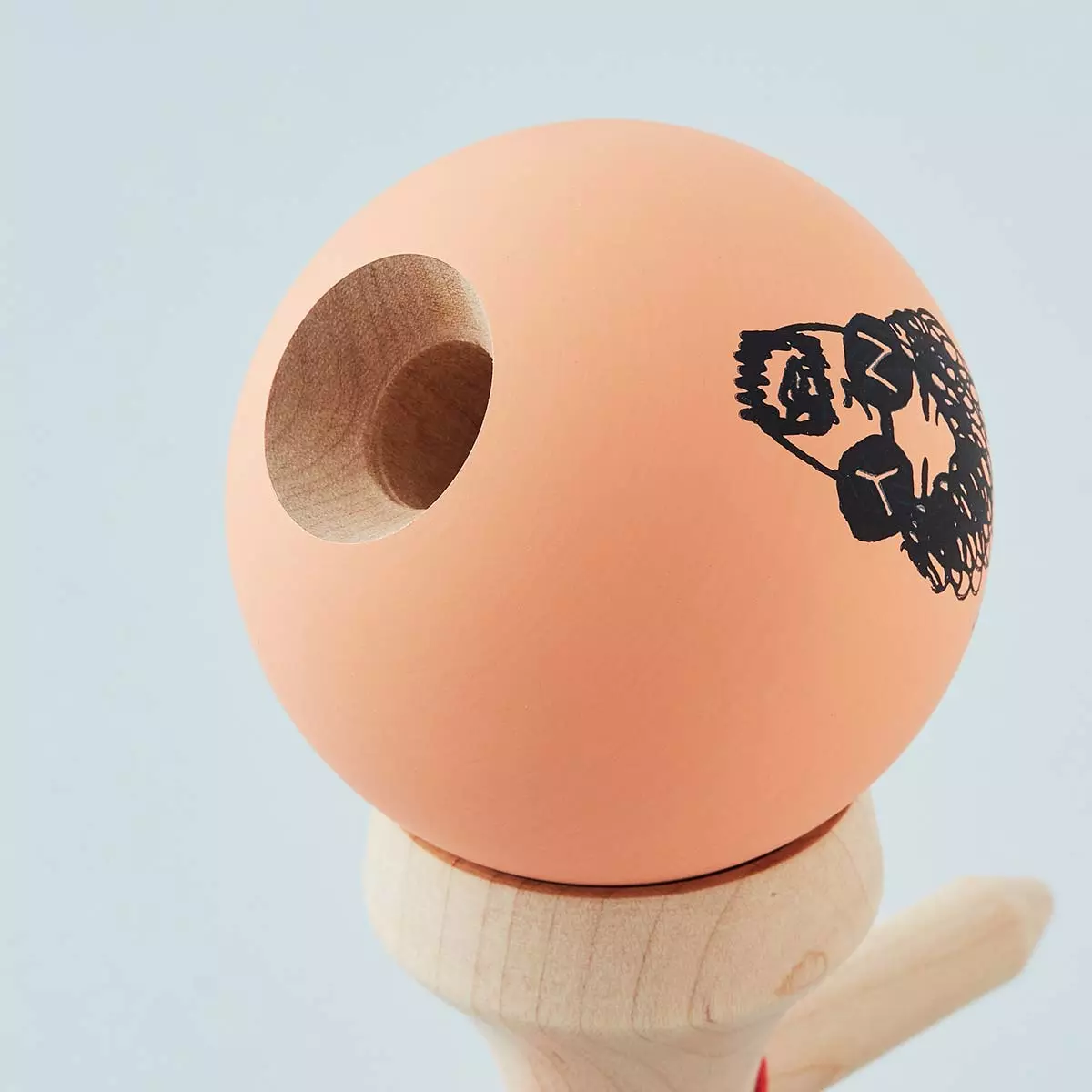
The game is about performing tricks so that the Tama lands in the cups or on the spike. It’s a perfect way to train fine motor skills, hand-eye coordination, patience, and perseverance.
Because of its small size and lightweight design, you can always carry Kendama with you. There are endless trick combinations – the only limits are your imagination and skill. And the more you practice, the easier it gets.
No wonder Kendama has become so popular – players often pass their passion on to everyone around them.

How to choose the right Kendama?
With its fast-growing popularity, thousands of models in different colors and sizes have flooded the market. So how do you choose the right Kendama? Here are a few tips.
First, always look for original models. There are many cheap fakes online. Buying an authentic Kendama gives you confidence in the materials used and guarantees certified, safe paints. Better build quality means higher durability and safety. Original strings are stronger, and the wood is tougher and more resistant to wear.
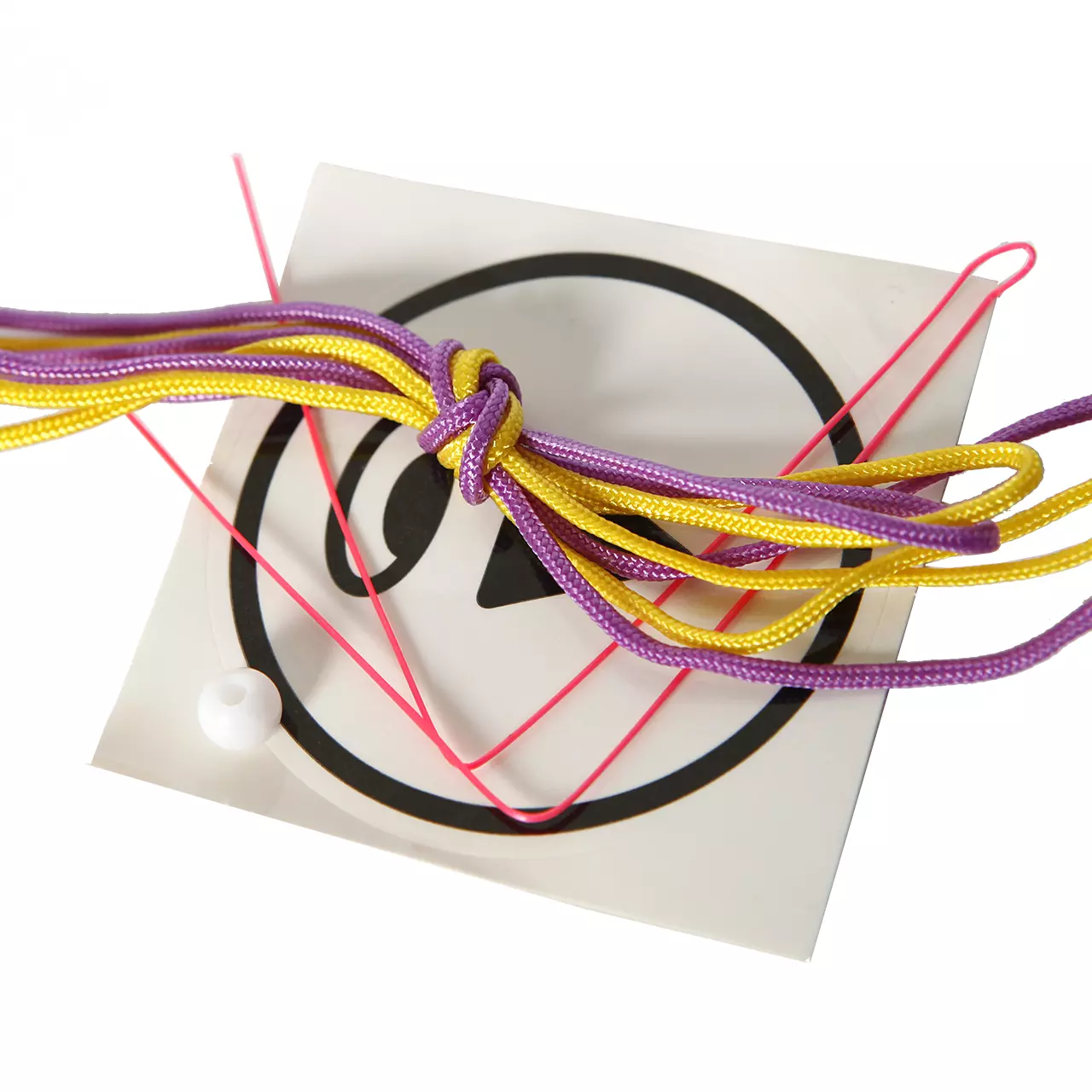
The shape of each part in a real Kendama is no accident. All elements are balanced and designed for maximum playability. Every Kendama is tested by pro players until the design is perfect.
Kendamas come in different sizes: from mini models of about 3 cm to giant ones up to 40 cm (for the giant, better wear a helmet :D). The standard size is about 18–19 cm, and that’s the best place to start.

Another important detail is the coating on the Tama. Manufacturers use special paints to improve grip during tricks. Each Kendama is also a small piece of art – the colors and designs are not random but help you track the ball’s movement.

Top Kendama brands
In our opinion, the best Kendamas come from the brands listed above. If you want Kendama to become your passion, choose durable models created with experience and love for the game. That way, your skills will keep reaching new levels.


