

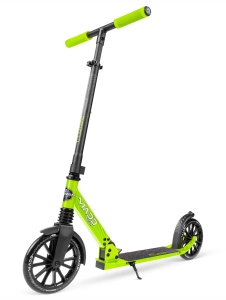
€82.53
Regular price:
€89.43
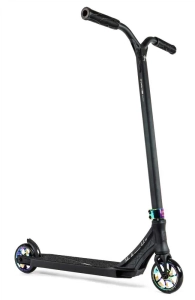
€196.34
Regular price:
€218.16
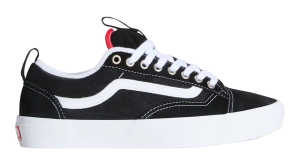
€59.54
Regular price:
€84.83

€25.29
Regular price:
€29.66
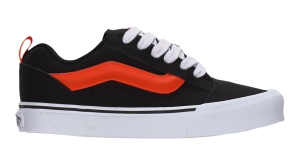
€66.44
Regular price:
€91.72

€160.69
Regular price:
€183.68

€52.64
Regular price:
€64.14

€31.95
Regular price:
€41.15
Important Information Before Buying and Using a Bike
Before your first ride, you need to complete the bike’s assembly, check its setup and read the manufacturer’s instructions. Regular checks and servicing are also necessary throughout its use. This applies to children’s bikes, BMX bikes, mountain bikes, city bikes and road bikes alike.
The information below will help you prepare your bike for riding and recognise when professional servicing is needed. For detailed instructions on assembling, using and maintaining your particular model, refer to the manuals supplied with the bike and its components.
Check the bike’s intended use before buying
Choose a bike type and size that suit your body proportions and where you plan to ride. Its appearance, large wheels or suspension do not automatically make it suitable for jumps, tricks or demanding descents. The manufacturer must approve the specific model for that type of riding.
Check the maximum permitted load too. Depending on the manufacturer’s instructions, this may include the rider, luggage, accessories and the bike itself. If you are unsure whether a model is suitable for your plans, ask us before buying.
Assembling your bike after delivery
Bikes ordered online are delivered partially assembled for transport. The work needed varies between models. It may include fitting the pedals, handlebars, saddle or front wheel, as well as adjusting the brakes and drivetrain.
Do not ride until assembly, adjustment and safety checks are complete. Even factory-fitted components need checking. Use suitable tools and tighten bolts to the manufacturer’s specified torque settings. Do not use excessive force.
If you do not have experience assembling bikes, have a bike workshop carry out the assembly too.
Initial service and the manufacturer’s warranty
An initial service at a bike workshop is required before your first ride, unless the manufacturer’s warranty specifies a different service timing, such as after riding a few kilometres. The workshop will check the assembly, wheel fixings, brakes, drivetrain and bike setup. You may choose any bike workshop that works on your type of bike and its components. This is an additional paid service, and the workshop sets the price.
Keep the receipt for the initial service. Read the warranty terms supplied with your bike and make sure the workshop completes the warranty card or provides any other confirmation required by the manufacturer. Check the deadlines for subsequent services as well.
What should you check before every ride?
- Wheels and tyres: check axle fixings or quick-release mechanisms, tyre condition and tyre pressure. Stay within the limits specified for both the tyre and rim.
- Brakes: check that both brakes work, inspect the pads and discs or rims, and check for leaks or damaged hoses or cables where fitted.
- Handlebars, stem and saddle: check that they are secure, have no play and are positioned according to the instructions. Observe any minimum insertion marks on the seatpost and handlebar stem.
- Pedals, cranks and drivetrain: check that they are secure, have no concerning play and that the chain and gears, where fitted, work correctly.
- Frame, fork and suspension: check for cracks, deformation, leaks and play at the joints.
If you find damage, play or a faulty brake, stop riding. The cause must be identified and the problem fixed first. Unusual cracking noises, a sudden change in suspension behaviour or reduced braking performance also need investigating.
Full-suspension bikes need appropriate servicing
A full-suspension bike has a suspension fork, a rear shock, and bearings and pivots in the rear suspension. Check the manufacturer’s documentation for setup instructions and service intervals. Some intervals are measured in riding hours, and mud, dust or intensive use may mean more frequent servicing is needed.
Have the fork, rear shock and suspension pivots serviced by a workshop with experience of the system and the correct tools and materials. Not every bike workshop carries out this work. Before booking, ask whether the workshop services your suspension brand and model or needs to send the components to a specialist. This also applies to suspension fork servicing on a hardtail.
Use a shock pump to adjust air-suspension pressure and stay within the manufacturer’s permitted settings. Do not dismantle suspension components without the necessary knowledge and equipment. High pressure may remain inside even after air has been released through the accessible valve.
Hydraulic brakes: bleeding and repairs
Bleeding hydraulic brakes, replacing hoses and repairing the system require tools suited to the specific brake, the correct fluid and knowledge of the manufacturer’s procedure. Have this work carried out by a workshop that services those brakes. An incorrect repair can cause leaks or loss of braking.
Use only the fluid specified for the particular brake model. Mineral oil and DOT brake fluids are not interchangeable. Even fluids from the same group are not always compatible with a particular system. Do not choose a fluid based on the brake brand alone.
Keep oil, grease and drivetrain products away from brake pads and discs. Discs and calipers can become hot during braking. New pads and discs need bedding in according to the manufacturer’s instructions.
If the brake lever pulls all the way to the handlebar, braking becomes noticeably weaker or you find a leak, stop riding and have the bike checked.
Regular maintenance and component wear
A bike designed for demanding riding is not indestructible. Even a bike built for tricks, jumps or challenging descents has limits. Any bike can be damaged by a crash, a heavy impact or a failed landing.
Tyres, inner tubes, brake pads, chains, sprockets, bearings and seals wear with use. The rate of wear depends on riding conditions, load and how the bike is used. Wear alone does not mean that a product is defective, but a consumable component can still be defective or fail to conform to the contract.
Clean the bike, lubricate the drivetrain according to the instructions and follow the service intervals specified by the manufacturers of the bike and its components. Do not direct a pressure-washer jet at bearings, seals or electrical components. Vibration and impacts can loosen connections, so checking them remains necessary after the initial service.
Safety while riding and after a crash
Wear a properly fitted helmet and protective gear suited to your riding. Choose routes and obstacles that match your ability. Wet or loose surfaces reduce grip and may increase stopping distances. Before riding on public roads, check the required equipment and applicable rules.
For children, an adult should check the bike’s condition and setup, make sure the helmet fits and choose a suitable place to ride. Protective equipment does not eliminate every risk of injury.
Inspect the bike after a heavy impact or crash before riding again. Damage is not always visible from the outside, particularly in carbon components. If you are unsure, have a workshop inspect it. Do not straighten damaged structural components or try to conceal cracks.
Modifications and electrically assisted bikes
Before replacing components, check their compatibility with the frame and the rest of the bike. A different fork, a larger brake disc or additional accessories may exceed the model’s limits. Do not modify the bike’s construction contrary to the manufacturer’s instructions.
If your bike has electric assistance, also follow the instructions for the drive system and battery. Use a charger approved by the manufacturer. Do not use a damaged battery or open it yourself. Have repairs to the drive system, electronics and battery carried out by a workshop that services that system.
Bike damage and reporting a problem
Not all damage is caused by a product defect. It may result from a crash, impact, overloading, incorrect assembly or continued riding after a problem has been noticed. However, signs of mechanical damage alone do not establish what caused it.
If you suspect a defect, stop using the bike and contact us. Describe the symptoms and the circumstances in which they appeared, and include photographs and your order details. Information about making a claim is available on our Returns and Warranty page.
Responsibility for injuries and damage
Cycling involves a risk of falls, injury and damage to equipment. RMDBike is not liable for damage caused solely by rider error, use outside the bike’s intended purpose, incorrect assembly carried out by the user, failure to carry out required maintenance, inappropriate modifications or continued riding despite noticing damage, provided that the damage does not arise from circumstances for which RMDBike is liable under applicable law.
The information above does not exclude or limit RMDBike’s liability for a product defect, lack of conformity with the contract, incorrect assembly carried out by RMDBike or any other circumstances for which we are responsible under applicable law. This also includes liability for damage caused by an unsafe product where the law places that liability on RMDBike.
A warranty is a voluntary undertaking by the warranty provider and applies on the terms set out in the warranty document, subject to applicable law. The seller’s liability for lack of conformity with the contract provides a separate basis for a claim.
Log in
Language
Please choose the right language


 Currency