

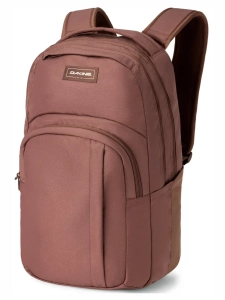
£55.28
Regular price:
£65.19

£63.21
Regular price:
£79.06

£59.25
Regular price:
£69.15
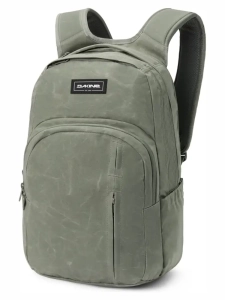
£73.12
Regular price:
£88.97
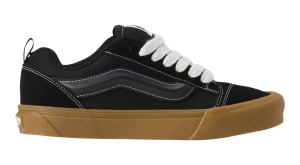
£61.23
Regular price:
£79.06

£11.69
Regular price:
£13.67
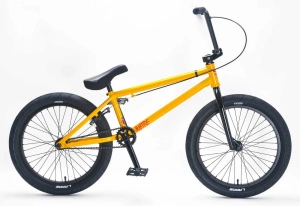
£277.21
Regular price:
£346.56
£53.30
Regular price:
£61.23
Important Information Before Buying and Riding a BMX Bike
BMX riding can involve tricks, jumps, skateparks and tracks, depending on the bike’s intended use. These activities place greater demands on a bike than ordinary leisure riding. Before you buy, make sure the model is suitable for the riding you plan to do, and know what to check as you use it.
No BMX bike is indestructible. Even a correctly sized bike that is used as intended may need adjustments, bolts retightened, servicing or worn parts replaced.
Check your bike before every ride
Before riding, check for loose components, cracks, bent parts and any other signs of damage. Pay particular attention to the handlebars, stem, wheels, axles, pedals, cranks, brakes and all bolted connections.
If anything is loose or damaged, stop using the bike until it has been checked and any necessary repairs have been completed. Continuing to ride with a known problem can cause further damage and increase the risk of injury.
Bolts and fittings can work loose
Jumps, landings, vibration and impacts can gradually loosen bolts and fittings. A loose bolt does not, by itself, establish that the product is defective. Checking and tightening fasteners is part of routine BMX maintenance.
Do not guess how tight a bolt should be or use excessive force. Follow the manufacturer’s torque specifications where provided. If you are unsure, ask a qualified bike mechanic.
Parts wear with use
Tyres, inner tubes, brake pads, chains, grips, pedals, bearings and other components can wear during normal use. How quickly they wear depends on factors such as riding intensity, riding style, the surface and how often you ride.
Regular checks and servicing help you spot wear early and reduce the risk of damage to other components.
Tricks, jumps and hard landings put extra stress on your bike
More demanding riding puts greater forces through the frame, fork, handlebars, wheels and other components. A failed trick, collision or hard landing can damage a bike even if it was in good working order before the ride.
After a heavy impact or crash, inspect the bike thoroughly before riding again. If you are unsure whether it is safe, have it checked by a qualified bike mechanic.
Choose a bike and riding environment that suit your ability
A BMX bike should suit the rider’s height, body proportions and experience. A bike that is too large may be harder to control, while one that is too small may restrict movement.
The same applies to the features you ride. Beginners should start with simple features and build up gradually as their skills improve. Always stay within the bike’s intended use and any limits specified by the manufacturer.
Wear a helmet and suitable protective gear
BMX riding carries a risk of falls and injury. Wear a properly fitted helmet and protective gear suited to your riding style and the place you ride.
For children, an adult should help choose suitable protective equipment and riding areas with features appropriate to the child’s ability.
Assembling your bike after delivery
Bikes ordered online are delivered partially assembled for shipping. Before the first ride, all components supplied for final assembly must be fitted correctly. These may include the pedals and handlebars and, on some models, the front wheel or other parts listed in the instructions.
Follow the assembly instructions supplied with your bike. Incorrect assembly can lead to loose components, damage and unsafe riding conditions.
Pre-ride inspection and ongoing servicing
If the manufacturer requires or recommends an initial inspection before the first ride, follow the instructions supplied with the bike. Keep any service records or receipts required under the manufacturer’s warranty terms.
Any manufacturer’s warranty is separate from the consumer rights you may have under applicable law. Warranty terms, including servicing or documentation requirements, do not override any rights or remedies that cannot legally be excluded or restricted.
Continue to check the bike regularly and have it adjusted or serviced as needed. How often it needs servicing depends on how intensively you ride and the conditions in which it is used.
What to do if you find damage
Stop riding and do not use the bike until the problem has been assessed and the bike is safe to ride. If you are unsure whether a component can still be used safely, contact a bike workshop or the seller.
Damage, claims and your consumer rights
Damage does not always mean that a bike is defective. It may result from a crash, impact, failed trick, continued riding with a known fault, incorrect assembly, lack of maintenance or modifications.
Damage or wear does not automatically rule out a valid claim. Your rights under applicable consumer protection and product liability laws remain unaffected.
Before your first ride
- Read the instructions and any warranty terms supplied with the bike.
- Make sure all components have been assembled correctly.
- Check the bolts, wheels, brakes, tyres, pedals and drivetrain.
- Do not ride if anything is loose or damaged.
- Wear a properly fitted helmet and suitable protective gear.
- Keep your bike serviced and check its components regularly.
Injuries and damage while riding
BMX riding carries a risk of falls, injury and damage to equipment. Responsibility for any injury, loss or damage depends on the circumstances and the applicable law.
Nothing in these safety and maintenance notes excludes or limits any liability of RMDBike that cannot legally be excluded or limited, including liability for death, personal injury or damage to property caused by a defective product where provided for by applicable law.
Log in
Language
Please choose the right language


 Currency