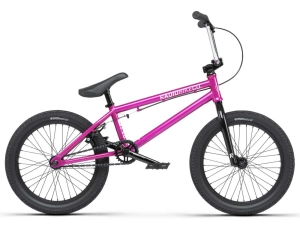
18-inch BMX bikes for kids: what height do they suit?
An 18-inch BMX sits between a smaller 16-inch bike and a full-size 20-inch BMX. In the RMDBike size guide, this size is a starting point for riders around 135–150 cm tall. The child’s proportions and the geometry of the individual bike also matter.
An 18-inch model can be a good first freestyle BMX, especially for a child who has outgrown a 16-inch bike but does not yet feel comfortable on a 20-inch one. Choose by height rather than age: two children of the same age may need different bike sizes.
Looking for an 18-inch model that is not currently listed? Send us a message. If it is available from the distributor, we will see if we can order it for you.
How do you choose the right 18-inch BMX?
Start with the rider’s height, then check the recommended height and top tube length of the individual bike. TT means top tube length: it describes the length of the frame. The 18-inch measurement refers to the wheels.
If your child is between an 18-inch and a 20-inch BMX, compare both bikes. Buying the larger size just to leave room for growth can make it harder to handle now.
This chart is a starting point based on RMDBike’s fitting experience. Check the recommended rider height and geometry of the individual bike before ordering.
Not sure whether to choose an 18-inch or 20-inch BMX? Tell us the rider’s height, experience and current bike size. We will help you compare suitable models.
What else should you check on an 18-inch BMX?
Once you know the bike is the right size, look at how it is built. Compare the frame and fork, cranks, wheels, bearings and brake. Check the bike’s weight too, but do not choose by weight alone. The specification and the manufacturer’s intended use matter more than a small difference on the scales.
If your child wants to learn tricks at a skatepark or ride a pump track, check that the particular model is made for that use. An 18-inch wheel size on its own does not tell you what the bike can handle.
Before the first ride
Before your child rides their new BMX, take it to a professional bicycle workshop for a paid initial service. This is required to retain the manufacturer’s warranty. Keep the receipt or other proof of the service.
The bike arrives around 90% assembled. Follow the supplied instructions to fit the parts that are not yet installed, usually the pedals and handlebars. The saddle or front wheel may also need fitting, depending on the model. Read the manual and warranty terms, and have the workshop check the assembled bike before it is ridden.
After the first few rides, check the bolts, wheels, chain and brake again. A BMX used for tricks also needs regular checks, especially after a crash or hard landing.
FAQ about 18-inch BMX bikes
Is an 18-inch BMX a good first BMX?
Yes, if it fits the rider and is designed for the riding they want to do. It gives a child who has outgrown a smaller bike a freestyle BMX without putting them on a 20-inch model before they are ready.
Can a child learn tricks on an 18-inch BMX?
Yes, on a freestyle model intended for tricks. A bike that fits is easier to handle while learning turns, pumping and first moves such as a bunny hop. Check the intended use of the individual bike before buying it for skatepark riding or jumps.
When should a child move up to a 20-inch BMX?
Consider a 20-inch BMX when the 18-inch bike starts to feel cramped and the rider can comfortably control a larger model. Height is a useful guide, but the top tube length and the way the child handles each bike also matter. There is no need to move up just because of age.
Do 18-inch freestyle BMX bikes have gears?
They usually have a single-speed drivetrain, so there are no gears to change while riding. Check the specification of the individual model before ordering.
Should my child keep the brake fitted?
Yes, especially while learning to ride and control the BMX. Check that the brake works properly before each ride. If you are unsure how to adjust it, ask a bicycle workshop for help.
What protective gear should a child wear?
Start with a properly fitting skate helmet. Knee and elbow pads are also useful, especially when learning tricks or riding at a skatepark.



 Easter Gift Ideas That Actually Get Used